
Field Notes List

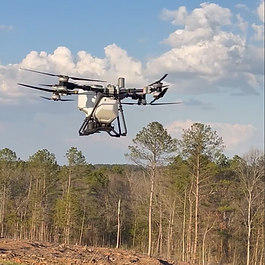



Deciding to Harvest the Timber
One of the first major decisions after acquiring the property was what to do with the existing timber. The property was about half planted pine timberland, but our long-term plans called for converting a significant portion of it into usable farm and pasture ground. Harvesting the timber offered an opportunity to recover some of the value already standing on the property while beginning that transformation.
We obtained two separate independent appraisals for the timber. Another consideration was that the pine timber was fully mature at 40 years old and if it was not harvested it would eventually begin to collapse on its own.

Understanding the Timber, Getting Proposals & Independent Appraisal
Before accepting a timber offer, we needed to understand what was actually standing on the property and whether the offers we received represented fair value. This stage combined buyer proposals with an independent timber appraisal to give us a better basis for making the decision.

Selecting the Timber Buyer
After comparing the timber information, appraisal and proposals, we selected W. J. Sorrell Lumber & Pulpwood Co., Inc. for the harvest. The decision converted the standing timber from an estimated asset into a negotiated $60,000 transaction with specific harvest rights and responsibilities.

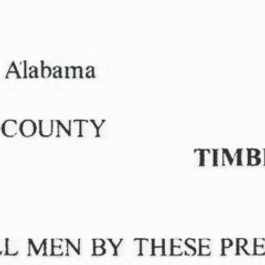
Timber Deed / Contract
The timber deed converted the negotiated sale into a legal conveyance of the designated timber and established the buyer's harvest and access rights. It also documented the $60,000 consideration, the designated parcels, retained hardwoods and the fact that some incidental damage was expected during logging.

Pre-Harvest Documentation & Mobilization
Before and as logging began, the property entered a transition from standing timber to an active work site. Photographs, drone images and observations of roads, drainage, vegetation and ground conditions provide the baseline needed to judge what the harvest actually changed.

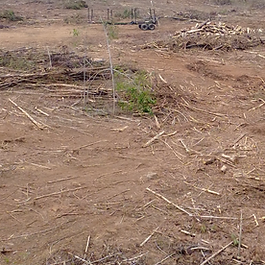
Harvest Completion & Immediate Land Impact
When the logging operation ended, the timber sale was complete but the land transformation was only beginning. The harvest opened roughly 50 acres, leaving the expected stumps, slash and disturbed ground along with roads and working areas that had supported the operation.
Final Timber Sale & Harvest Scorecard — Including Long-Term Results
The final scorecard evaluates the timber sale as more than a one-time check. It considers realized value, land opened, condition left behind, future usefulness, lessons learned and the longer-term effects of changing roughly 50 acres from timberland to open ground.


